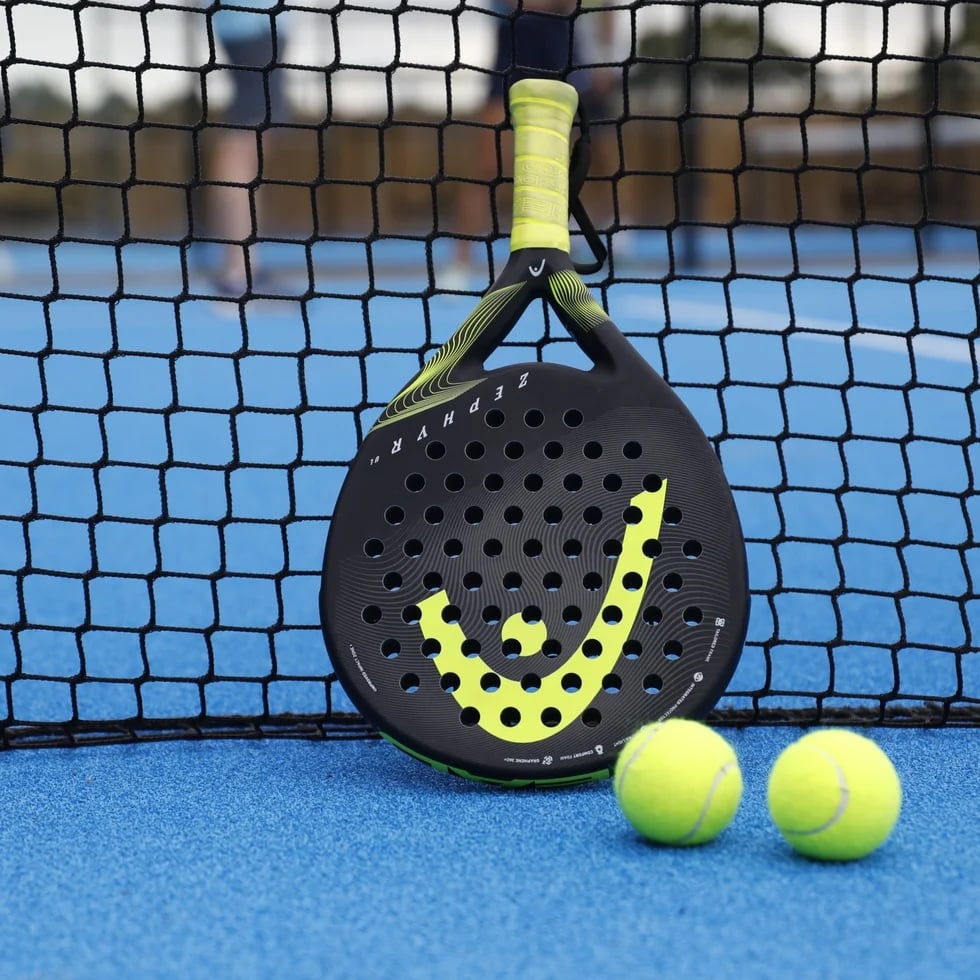
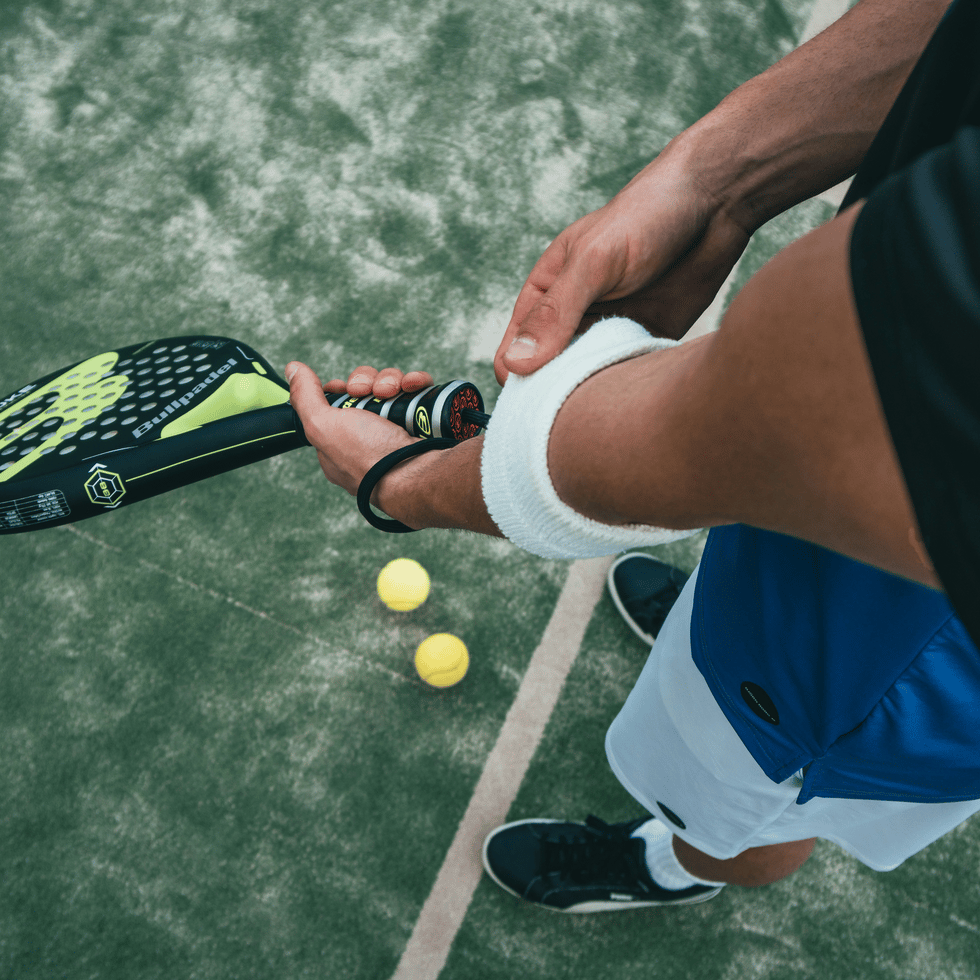
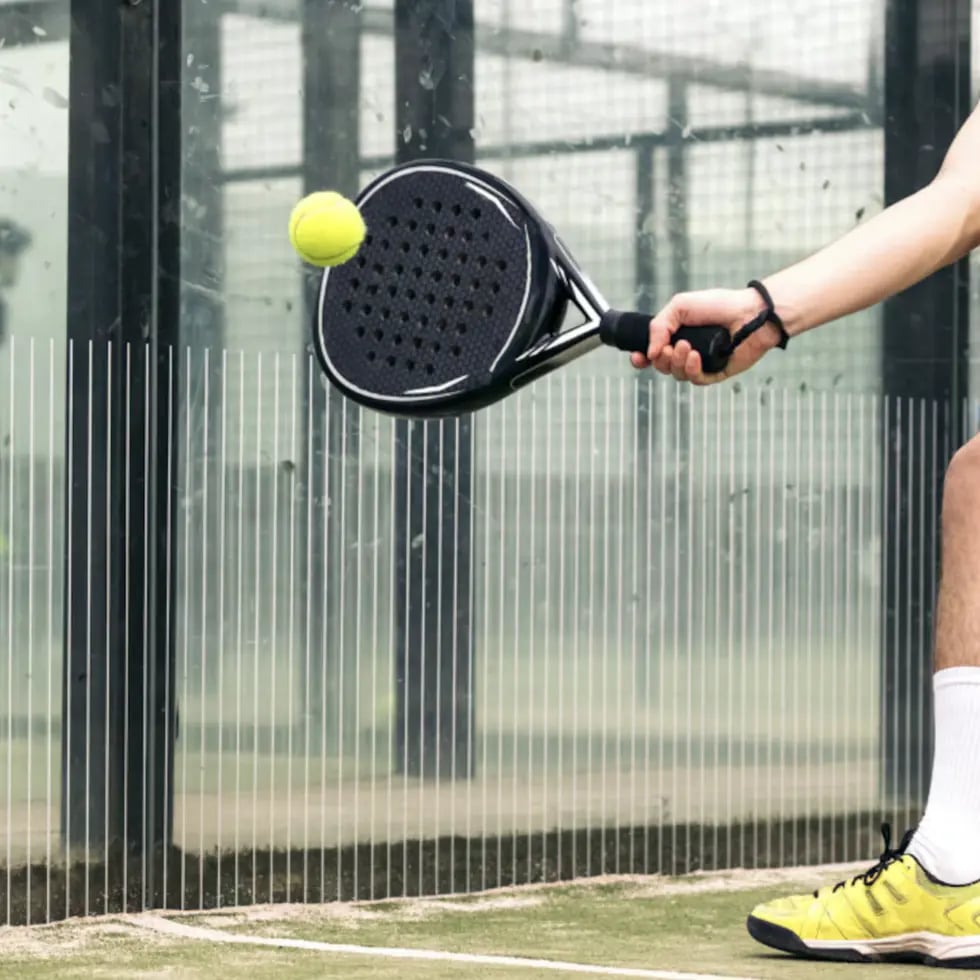
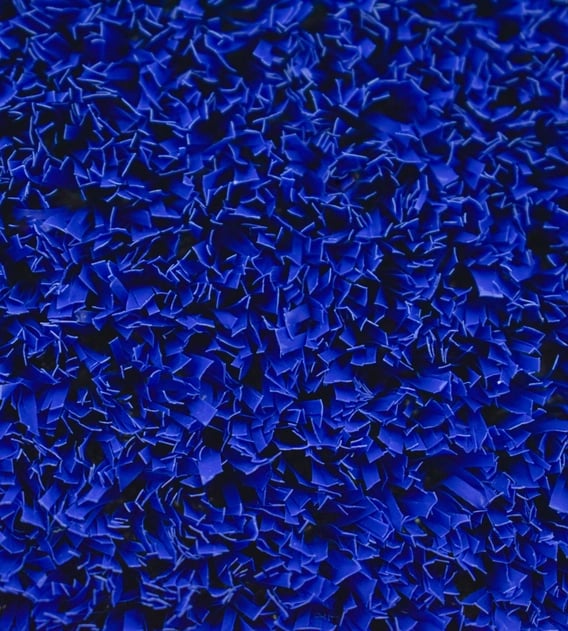
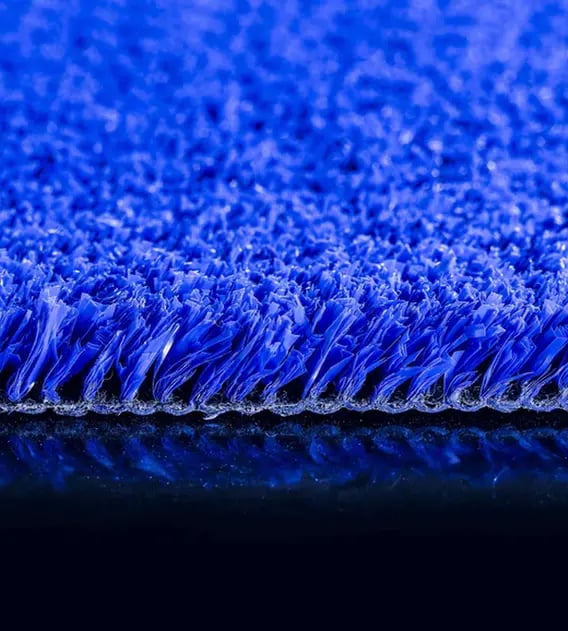
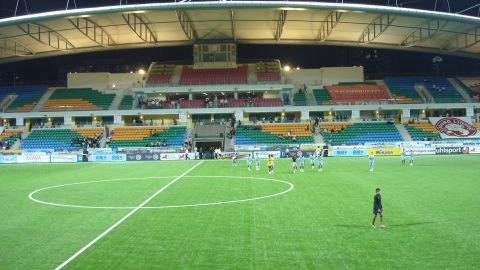
Every padel court in the world is played on artificial grass. We install Namsports Padel PE, a 14 mm fibrillated fibre turf engineered and made in Belgium, dressed with sand for the balance of grip and playing comfort the game needs. As Singapore's authorised Namgrass and Namsports partner we can take a court from design and sub-base through the cage, the surface, the lighting and the line marking, or simply surface for the court builder you already have. We built the FIFA 2-Star certified pitch at Jalan Besar Stadium and the grass courts at the Singapore Sports Hub, and a padel court gets the same crew.
From resort poolsides and hotel rooftops to preschools and attractions — a selection of the clients who trust our premium Namgrass installs.
Shangri-La Rasa Sentosa
Holiday Inn
iFly Singapore
Royal Albatross
Far East Plaza Residential
PCF Sparkletots
Marina Bay Sands
ibuild sportscape
Premium Namgrass® artificial grass · Singapore since 2008
Straight answer
The sub-base decides how your court plays, not the grass.
Operators tend to shop the turf and take the foundation as read, and it is the wrong way round. Turf follows the sub-base exactly, so every dip becomes a dead spot and every drainage mistake becomes a court that closes after rain. The choice between a ring foundation, foam concrete, permeable stabilised screed and permeable asphalt is made months before anyone unrolls a metre of grass, and it is the decision we most want to be involved in early. Bring us in at design stage rather than at surfacing stage. It costs you nothing and it is where we save you the most.
Why turf
Padel is played on grass for three reasons.
It is not a compromise or a cheaper option. Sand-dressed turf is the specified surface at every professional padel venue in the world, and the reasons are all about how the game actually plays.
Sand between the fibrillated fibres damps the ball just enough to keep rallies long, which is the whole appeal of padel. On acrylic hard court the ball comes off faster and points end early.
You can slide into a shot
Reaching a ball off the back glass means sliding, and turf lets a player do that safely. A hard court grips the shoe, which is how ankles and knees get hurt.
Two hours is kinder on the body
Padel is mostly played socially by adults, often twice a week. A cushioned surface is the difference between a club members keep returning to and one that leaves them sore.
The court itself
What a padel court has to be.
Padel is dimensionally strict, so the space you have decides how many courts fit long before anyone talks about surfacing. These are the numbers to plan against.
20 × 10 m
The playing area, walls included
4 m
Back wall, 3 m glass with 1 m mesh above
0.88 m
Net height at the centre, 0.92 m at the posts
6 m
Minimum clear height, 8 m for competition
Allow circulation beyond the court. The 20 by 10 m figure is the cage itself. You still need access, walkways and space between courts, so a single court rarely fits a 20 by 10 m footprint.
Clear height is the constraint indoors. Six metres is the workable minimum and eight is wanted for competition, which rules out many existing warehouse and basement spaces before anything else does.
Access openings on both sides are part of the standard layout, and they affect how the surface is set out and finished at the edges.
Lighting sits above the play. Recreational courts need considerably less than broadcast ones, and the fittings need to clear the minimum height rather than eat into it.
Two courts share efficiencies. Most operators build in pairs or fours, because structure, lighting and surfacing all get cheaper per court at volume.
Outdoor courts need falls and drainage designed into the sub-base from the start, which is a decision made months before we arrive.
The build
Six steps from empty ground to first serve.
This is the Namsports padel sequence, run under one foreman who owns the result. Where a main contractor is handling the civil works we take the steps that are ours and coordinate the rest.
1
Set out and prepare
We set out the exact court dimensions and prepare the area to specification, so the cage and the surface are working to the same lines from day one.
2
Level the ground
The ground is levelled and obstacles removed to create a suitable, stable base. Turf copies whatever is underneath it, so this is where playing quality is won or lost.
3
Build the sub-base
A ring foundation, foam concrete, permeable stabilised screed or permeable asphalt, chosen for the site and the local drainage conditions.
4
Install the cage
The padel cage is positioned and fixed to the foundation, square and true, ready for the surface to be laid inside it.
5
Lay the artificial grass
Padel PE is laid with particular attention to bonding and seams, then dressed with sand and brushed in to the stated rate.
6
Light it and finish it
Lighting where required, then line markings and every remaining detail finished properly, because this is the part players actually look at.
Sub-base options
Five foundations, chosen for the site.
Each has its own characteristics, and the right one depends on ground conditions, drainage, weight limits and whether the court is indoors. We recommend rather than default.
Ring foundation
A ring-shaped concrete beam below ground that spreads the load of the cage evenly and anchors it against wind and weather.
Very stable and durable under a steel structure.
Adaptable to site size, shape and conditions.
Foam concrete
A lightweight concrete with air introduced into the mix, giving a low-density base where weight saving matters.
Absorbs sound and vibration, which keeps neighbours happy.
Light enough to reduce load on the structure below.
Water-permeable stabilised screed
A porous sand, cement and water mix that stays structurally stable while letting rainwater pass straight through it.
Rainwater infiltrates instead of pooling on the court.
Better heat dissipation than dense concrete.
Water-permeable asphalt
A porous asphalt mix that drains through the surface, controlling stormwater and cutting runoff.
Minimises puddles, so the court is playable sooner after rain.
Reduces surface erosion around the court.
Indoors, reuse what is there
For indoor courts we work with the existing slab wherever it is sound, so in most cases no new sub-structure is needed at all.
Significant cost saving against building new.
Faster programme in a fit-out.
Which one for your site
Ground conditions, drainage, structural loading and local regulations all narrow the choice. We survey first and tell you which is appropriate.
Recommendation given before you commit to civil works.
The surface we install
Namsports Padel PE, 14 mm, fibrillated.
Padel grass is deliberately shorter than football or hockey turf, because a short pile is what gives the fast, true ball bounce and the smooth movement players need. Padel PE is the range Namsports built for exactly that, and it is the preferred choice for recreational and professional play alike.
14 mm pile height, short enough for a fast, true bounce and smooth footwork across the court.
Fibrillated fibres, which give the stability and playing comfort an intense padel match asks for.
Sand-required system, dressed and brushed in to the stated rate so the ball neither skids nor dies.
Blue, green or another colour, specified to the club's branding rather than whatever is in stock.
Heavy duty latex backing and the Tuftlock system, so tufts hold under constant sliding and pivoting.
Ecoflex backing option, water-permeable and fully recyclable, so the court does not have to end in landfill.
4 m rolls, cut to length, set out so seams fall away from the busiest part of the play line.
10-year manufacturer warranty on every roll, on top of our own installed warranty.
Tested and approved
Namsports has more than 20 years behind its artificial turf systems, and the ranges carry independent approvals rather than in-house claims. Read the manufacturer's own product page and technical sheet before you take our word for any of it.
Operators occasionally ask whether a court could be surfaced in something cheaper or harder wearing. Here is the honest comparison.
What matters
Acrylic hard court
Unfilled short turf
Padel PE, sand-dressed
Used in professional padel
No
No
The world standard
Ball speed
Fast, points end early
Inconsistent
Fast and true off a 14 mm pile
Sliding
Grips the shoe
Unpredictable grip
Controlled and repeatable
Joint comfort over two hours
Hard on knees and ankles
Better, but thin
Cushioned by the sand bed
Maintenance
Resurfacing cycles
Brushing
Brushing and periodic sand checks
Playable after rain
Needs to dry
Drains fast
Permeable backing, back in play quickly
End of life
Stripped and dumped
Depends on backing
Ecoflex backing is fully recyclable
If a supplier offers you an unfilled turf for a padel court, ask them to name a professional venue using it.
Keeping it playing well
Maintain the grass, the cage, or the whole court.
After handover you get proper advice on looking after the court. If you would rather not manage it in-house, we can take some or all of it off you.
The artificial grass
Brushing in the direction of play to lift the fibres and redistribute sand out of the high-traffic areas, plus periodic checks and top-ups of the sand level.
Keeps the bounce consistent across the whole court.
The cage
The frame, the nets, the lighting and the glass panels, inspected and serviced so nothing fails mid-season.
Catches loose fixings and damaged glass early.
The whole court
Cage and surface together under one arrangement, so there is one number to call and nobody arguing about whose fault it is.
The option most multi-court operators take.
What drives the price
Why we will not quote a court over the phone.
Court work is priced from the real conditions, not a rate card. These are the things that move the number, so you know what we will be asking about.
How many courts. Building or surfacing four in one mobilisation costs materially less per court than one.
Indoor or outdoor. Outdoor courts need drainage detailing and the UV specification matters more.
Which sub-base. Reusing an existing indoor slab against building a ring foundation is a large difference.
Full court or surface only. Whether the cage and lighting are in our scope or your court builder's.
Access. Rolls are heavy and long. A ground-level unit with vehicle access is very different from a rooftop with a service lift.
Colour and specification. Standard blue or green against a specific brand colour, and whether you want the Ecoflex recyclable backing.
Programme. A normal sequence, or out of hours to hit an opening date.
Maintenance. Handing it back to you, or keeping it on a service arrangement.
Same range, other courts
Tennis, multisport and more.
Namsports builds a range for each court sport, so one supplier and one crew can cover a whole facility rather than three different trades.
Tennis courts
Sand-dressed turf courts, often sold as artificial clay, give a slower surface that is easy on joints and popular in club and condo settings.
Multisport courts
One surface line-marked for several games, for schools, condos and community spaces where a single court has to do everything.
Golf, football and hockey
The same Namsports family covers putting surfaces, football pitches and hockey fields, all tested and approved to the relevant federation standards.
Proven at national level
The FIFA pitch, and the courts at the Sports Hub.
We built the FIFA 2-Star certified pitch at Jalan Besar Stadium for the 2010 Youth Olympic Games, and the grass courts at the Singapore Sports Hub. Both were surfaces that got tested and certified rather than simply signed off, which is the standard a padel club should be asking for. The same crew and the same discipline go onto a court.
Mr Wong, a specialist in artificial turf, did a great job in installing his high end Belgian turf at Bodmin Drive for my niece house in 2016. It has been 10 years, the grass is still in excellent condition and looks like natural grass. The best advantage is, it is maintenance free.
Garden & lawn
Why clubs and operators choose ibuild
A court surface is judged by the members who play on it every week, which is a harder test than any handover inspection.
FIFA 2-Star certified work at Jalan Besar Stadium, so the standard is proven rather than claimed.
Authorised Namgrass and Namsports partner, giving you the padel range itself rather than a landscape roll sold as one.
Belgian manufacture, with more than 20 years of Namsports sports turf systems behind the product.
One in-house team, no subcontractors passing the blame when a seam opens.
Design-stage advice on sub-base and layout, before the money is committed.
10-year warranty, on the manufacturer's roll and on our installed system.
Surfacing a pitch or field as well?
For football, rugby, hockey and multisport fields we install the full Namsports range, tested and approved to FIFA standards.
Artificial grass, dressed with sand, laid over a prepared sub-base. We install Namsports Padel PE, a 14 mm fibrillated fibre turf made in Belgium. It is nothing like a garden lawn. Every professional padel court in the world uses a sand-dressed turf surface, because it gives a predictable bounce and lets players slide into a shot.
Why is padel played on turf rather than hard court?
Padel is a game of long rallies, controlled slides and a slightly slower ball. Sand-dressed turf delivers exactly that balance of grip and playing comfort, and it is far kinder on knees and ankles over a two-hour social game than concrete or acrylic. A hard court would make the ball faster, the points shorter and the joints sorer.
What size is a padel court?
A padel court is 20 m long and 10 m wide, enclosed by walls. The back walls are 3 m of glass with 1 m of mesh above, and the net is 0.88 m high at the centre rising to 0.92 m at the posts. You also need clear height above the court, 6 m as a minimum and 8 m if you want to host competition.
Can you build the complete padel court, not just the surface?
Yes. Through the Namsports padel system we can take a court from design and setting out through the sub-base, the cage, the artificial grass, the lighting and the line marking, then maintain it afterwards. Where a main contractor is already pouring the slab we coordinate with them instead and surface into their programme.
What sub-base does a padel court need?
That depends on the site, and it is the single decision that most affects how the court plays. The options are a ring foundation, foam concrete, water-permeable stabilised screed or water-permeable asphalt, and indoors we usually reuse the existing slab. We survey the site and recommend one rather than applying the same answer everywhere.
How much sand goes into a padel court, and does it need topping up?
Padel PE is a sand-required system, so the sand is brushed in to the stated rate for that pile. Too little and the ball skids and the fibres flatten. Too much and the court plays dead and slow. It migrates with play, so levels are checked and topped up as part of routine maintenance.
How do you maintain a padel court?
Brush the turf in the direction of play to keep the fibres upright and the sand evenly spread, clear debris, and have the sand levels checked periodically. We can maintain the cage on its own, the artificial grass on its own, or the whole court under one arrangement, whichever suits how you run the venue.
Is padel court turf recyclable?
The Namsports padel range is built on the Ecoflex backing, which is water-permeable and fully recyclable, so the court surface does not have to end its life in landfill. Every roll also carries the heavy duty latex backing, the Tuftlock system and a 10-year manufacturer warranty.
Opening a padel club in Singapore?
Tell us where the courts are going and how many, and we will advise on the sub-base, specify the surface and quote the scope you want. Free and with no obligation.